
Hospitals lose $19.7B annually fighting denials, yet 54% get overturned on appeal. This guide shows how AI automation reduces appeal time from 4 hours to 15 minutes while increasing success rates. Start reclaiming your revenue today.
Nearly 15% of all medical claims submitted to private payers and approximately 16% of Medicare Advantage claims were initially denied in 2024, with inpatient care facing an even higher denial rate of 14.07% (Premier Inc., 2024). This concerning trend creates significant financial strain for healthcare providers, with hospitals spending an estimated $19.7 billion annually fighting denied claims. What's more alarming is that more than half of denied claims (54.3%) are eventually overturned after costly appeals processes, indicating many denials should never have happened in the first place.
As inpatient care represents some of the most complex and highest-value claims in healthcare, mastering the appeals process has become essential for protecting revenue integrity. This guide provides hospital administrators and revenue cycle teams with practical strategies to optimize inpatient appeals submission, reduce administrative burdens, and maximize successful outcomes.
Why Inpatient Appeals Are So Challenging
Why Inpatient Documentation Gets Denied
Inpatient claims involve intricate coding requirements, extensive documentation, and complex medical decision-making that must be clearly communicated to payers. Documentation must effectively demonstrate medical necessity for the admission, appropriate level of care, accurate DRG assignment, and clinical validation of diagnoses. With 46% of providers identifying missing or inaccurate information as the primary cause for claim denials (Experian Health, 2024), ensuring comprehensive documentation is critical.
The Unsustainable Administrative Burden
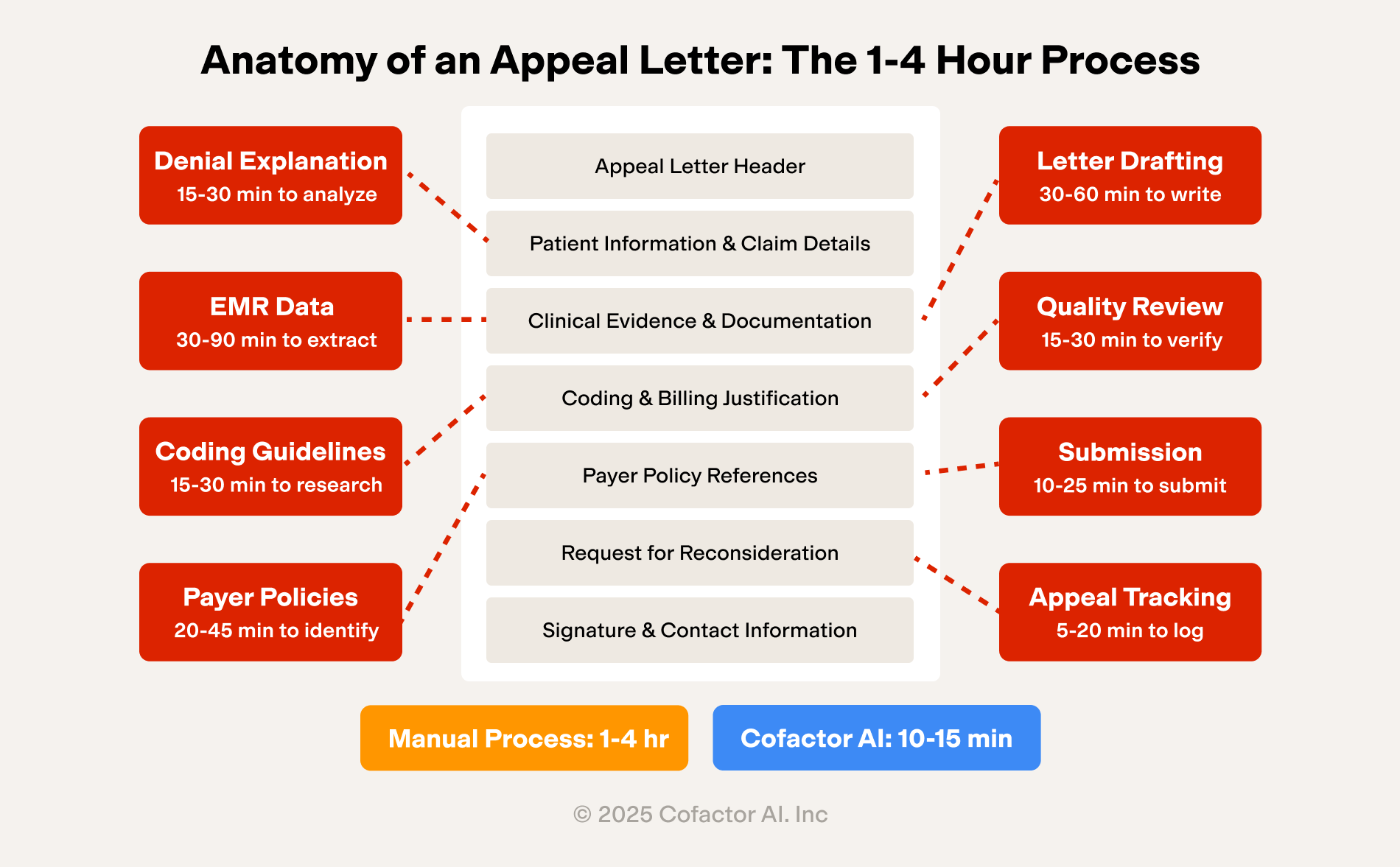
The traditional appeals process is highly manual and time-intensive. A typical denial appeal requires a clinical professional to:
- Review the denial reason
- Access and analyze relevant medical records
- Identify supporting clinical evidence
- Research applicable coding guidelines and payer policies
- Draft a persuasive appeal letter
- Submit the appeal through the appropriate channels
- Track the appeal status
- Follow up as needed
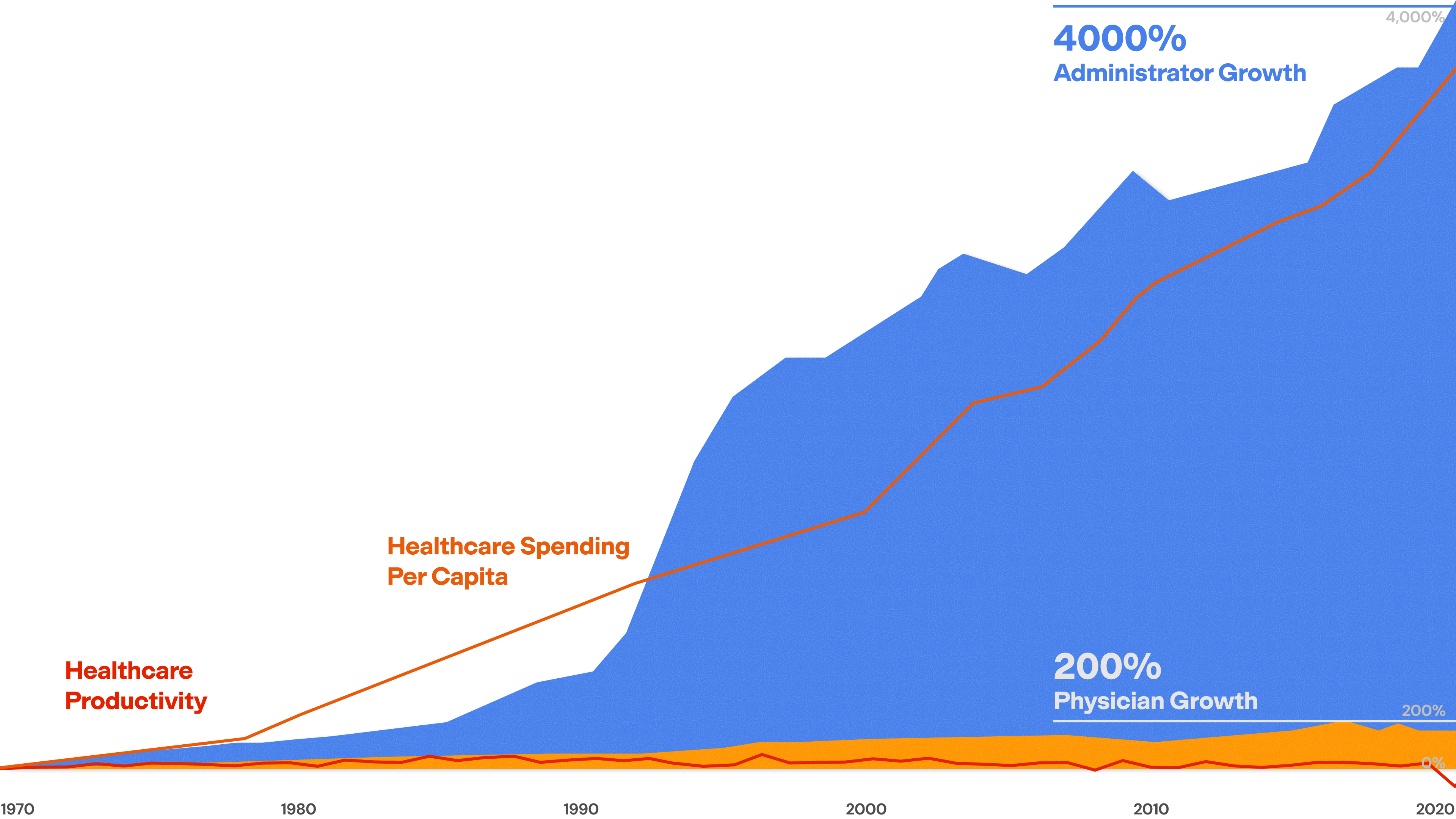
With revenue cycle teams already stretched thin due to staffing shortages affecting 83% of healthcare organizations (American College of Healthcare Executives, 2024), the growing volume of denials creates an unsustainable workload.
Navigating Payer-Specific Requirements
Each payer has unique submission requirements, deadlines, and appeal processes that must be carefully navigated. Missing a deadline or failing to include required documentation can result in automatic rejection of the appeal, regardless of its merit.
Track These 5 Essential Appeal Metrics
Initial Denial Rate (IDR): Measures the percentage of claims denied upon first submission. The industry average for inpatient claims is approximately 14%, but high-performing organizations aim for single digits.
Appeal Success Rate: Tracks the percentage of appealed denials that result in payment. Organizations should aim for success rates above 60%, with many achieving 70–80% for properly selected and executed appeals.
Appeal Submission Rate: Measures what percentage of eligible denials actually get appealed. Due to resource constraints, many organizations appeal less than 50% of denied claims, leaving significant revenue uncollected.
Days in Accounts Receivable (A/R): Appeals significantly extend the revenue cycle. The average time to resolve an appealed claim is 45–90 days, with some complex cases extending beyond 120 days.
Cost to Appeal: The average cost to appeal a denied claim is approximately $44 per appeal, not including clinical labor costs which can add $13–51 per claim depending on complexity (Premier Inc., May 2024).
Effective Strategies for Inpatient Appeals Submission
1. Strategic Denial Prioritization
Not all denials are created equal. Prioritize appeals based on:
- Financial impact: Focus resources on high-dollar claims first
- Probability of success: Analyze historical overturn rates by denial type and payer
- Appeal deadline: Ensure timely submission for all appeals
- Root cause analysis: Identify and address systematic issues to prevent future denials
Create a scoring system that incorporates these factors to objectively rank denials requiring appeals.
2. Build Denial-Proof Documentation
Successful appeals require thorough analysis of the medical record to identify evidence supporting the claim:
- Review physician notes, nursing documentation, lab results, and all clinical assessments
- Extract specific clinical indicators supporting medical necessity
- Identify documentation of the patient's condition that justifies the level of care provided
- Cross-reference clinical evidence with payer medical policies
Ensure the appeal directly addresses the specific reason for denial with relevant clinical evidence.
3. Write Appeals That Get Overturned
The appeal letter is your opportunity to present a compelling case for payment. Effective appeal letters should:
- Clearly state the purpose of the letter and claim information
- Reference the specific denial reason and code
- Present a concise, evidence-based argument addressing the denial reason
- Include supporting clinical evidence with specific references to the medical record
- Cite relevant clinical guidelines, coding standards, or payer policies that support your position
- Request specific action (e.g., claim payment, peer-to-peer review)
Always maintain a professional, fact-based tone rather than an emotional or confrontational approach.
4. Optimize Your Team Structure
Create specialized appeals teams with the right mix of clinical and revenue cycle expertise:
- Clinical specialists: Typically nurses or physicians who can interpret medical documentation and identify relevant clinical evidence
- Coding experts: Professionals who understand coding guidelines and can address coding-related denials
- Appeals coordinators: Team members who manage the administrative aspects of the appeals process
- Payer specialists: Staff members who develop expertise with specific payers' requirements and processes
This specialized approach allows team members to develop deep expertise in their area of focus.
5. Leveraging Technology Solutions
Modern technology can significantly enhance the efficiency and effectiveness of the appeals process:
Manual Appeals Process
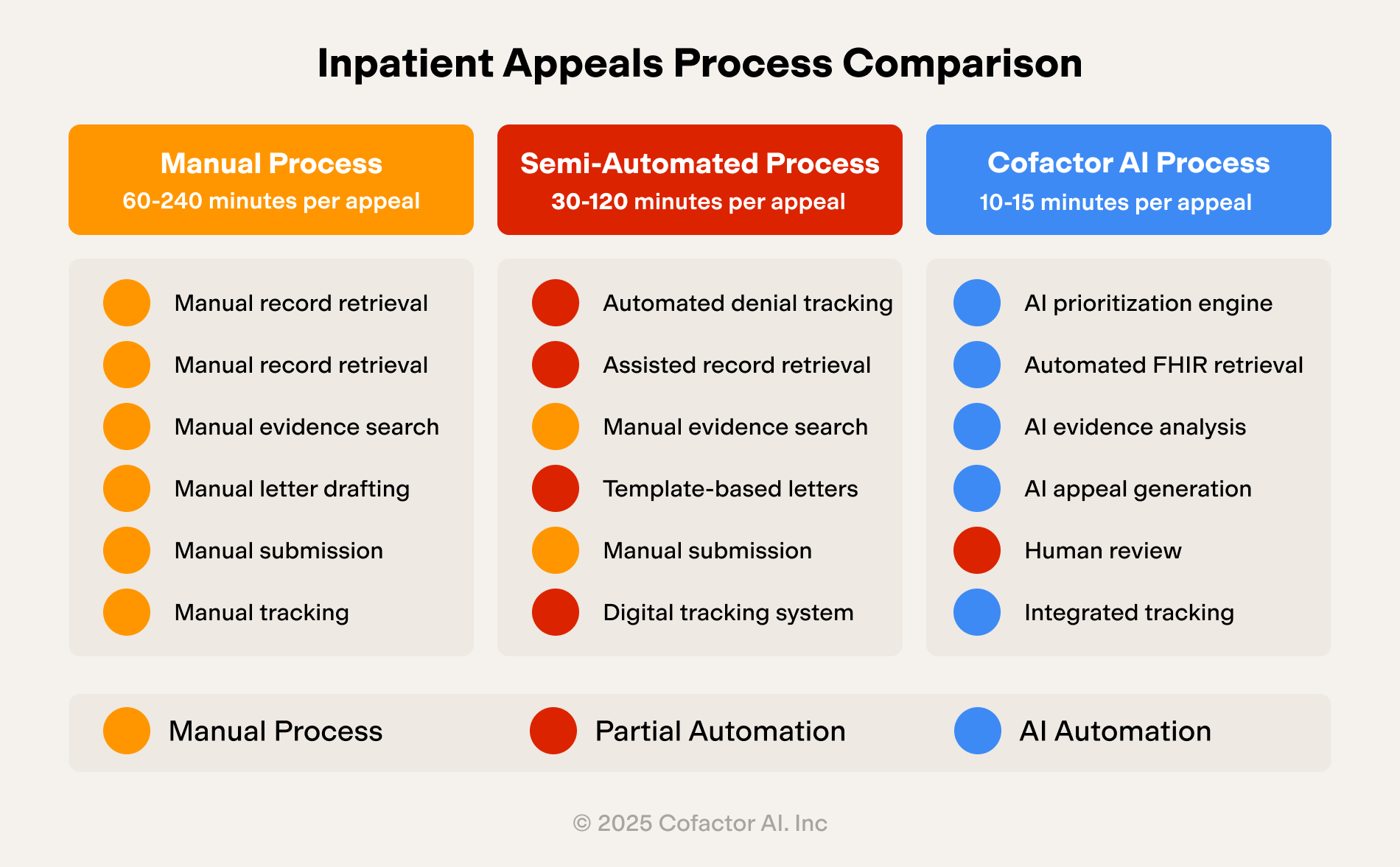
The traditional manual appeals process typically follows these steps:
- Denial identification: Staff manually review remittance advice to identify denied claims
- Case assignment: Appeals are assigned to appropriate team members based on expertise
- Record retrieval: Staff access the EMR to gather relevant clinical documentation
- Evidence identification: Clinicians manually review records to identify supporting evidence
- Letter creation: Staff draft appeal letters using templates and incorporating clinical evidence
- Submission: Letters and supporting documentation are submitted via mail, fax, or payer portals
- Tracking: Staff manually track appeal status and follow up as needed
This process typically takes 60-240 minutes per appeal, limiting the volume of appeals that can be processed.
Semi-Automated Appeals Process
Semi-automated solutions offer incremental improvements:
- Automated denial identification: Systems flag denied claims for review
- Prioritization tools: Software helps rank denials based on value and appeal potential
- Template libraries: Pre-built letter templates specific to denial types
- Workflow management: Systems track appeals through the process
- Reporting tools: Analytics provide insights into appeal outcomes and trends
While more efficient than fully manual processes, semi-automated solutions still require significant manual effort for evidence identification and letter customization.
The Future of Inpatient Appeals: AI-Driven Automation
The most advanced approach utilizes AI for intelligent denial prioritization (analyzing patterns and financial impact to recommend which claims to appeal), automated medical record analysis (reviewing The most advanced approach utilizes artificial intelligence to transform the appeals process through:
- Intelligent denial prioritization: AI analyzes denial patterns, historical success rates, and financial impact to recommend which claims to appeal
- Automated medical record analysis: AI reviews clinical documentation to identify relevant evidence supporting the appeal
- Evidence matching: AI links clinical evidence to specific payer requirements and medical policies
- Appeal letter generation: AI creates customized, evidence-based appeal letters tailored to the specific denial reason
- Continuous improvement: The system learns from outcomes to improve future appeal strategies
This approach can reduce the time spent on appeals by 80-90%, allowing organizations to appeal a higher percentage of denials while freeing clinical staff to focus on patient care.
How Cofactor Transforms the Inpatient Appeals Process
Intelligent Prioritization: Cofactor analyzes each denial's financial impact, appeal deadline, probability of success, and historical patterns to ensure your team focuses resources on appeals with the highest potential return.
Automated Evidence Identification: Our AI analyzes the complete medical record through FHIR integration with your EMR, extracting relevant clinical indicators, connecting evidence to specific denial reasons, and compiling evidence from throughout the record, even when it appears in unexpected locations.
Comprehensive Appeal Generation: Cofactor generates complete appeal letters addressing the specific denial reason with relevant clinical evidence, appropriate references to guidelines and policies, and a clear, professional argument, produced in minutes rather than hours.
Human Review and Submission: While Cofactor automates the most time-intensive components, it maintains a human-in-the-loop approach where all appeals undergo final review before submission, ensuring quality control and appropriate submission through your established channels. This transforms what typically takes 1–4 hours per appeal into a process requiring just 10–15 minutes of staff time.
Current Trends in Inpatient Appeals Management
1. Rising Complexity of Denials
Payers are increasingly employing sophisticated strategies to deny claims, including:
- More rigorous clinical validation requirements
- Stricter interpretation of medical necessity criteria
- Increased scrutiny of DRG assignments
- More frequent requests for additional documentation
This trend requires equally sophisticated appeal strategies that directly address these complex denial reasons.
2. Growth of Artificial Intelligence Solutions
Healthcare organizations are rapidly adopting AI tools to address the growing administrative burden. According to a recent survey from Healthcare IT News, organizations using AI for appeals are now able to process denials three times faster than manual methods, allowing clinical staff to focus on patient care rather than paperwork.
These tools can analyze vast amounts of clinical documentation, identify relevant evidence, and generate compelling appeal letters in a fraction of the time required by manual processes.
3. Shift from Reactive to Preventative Approaches
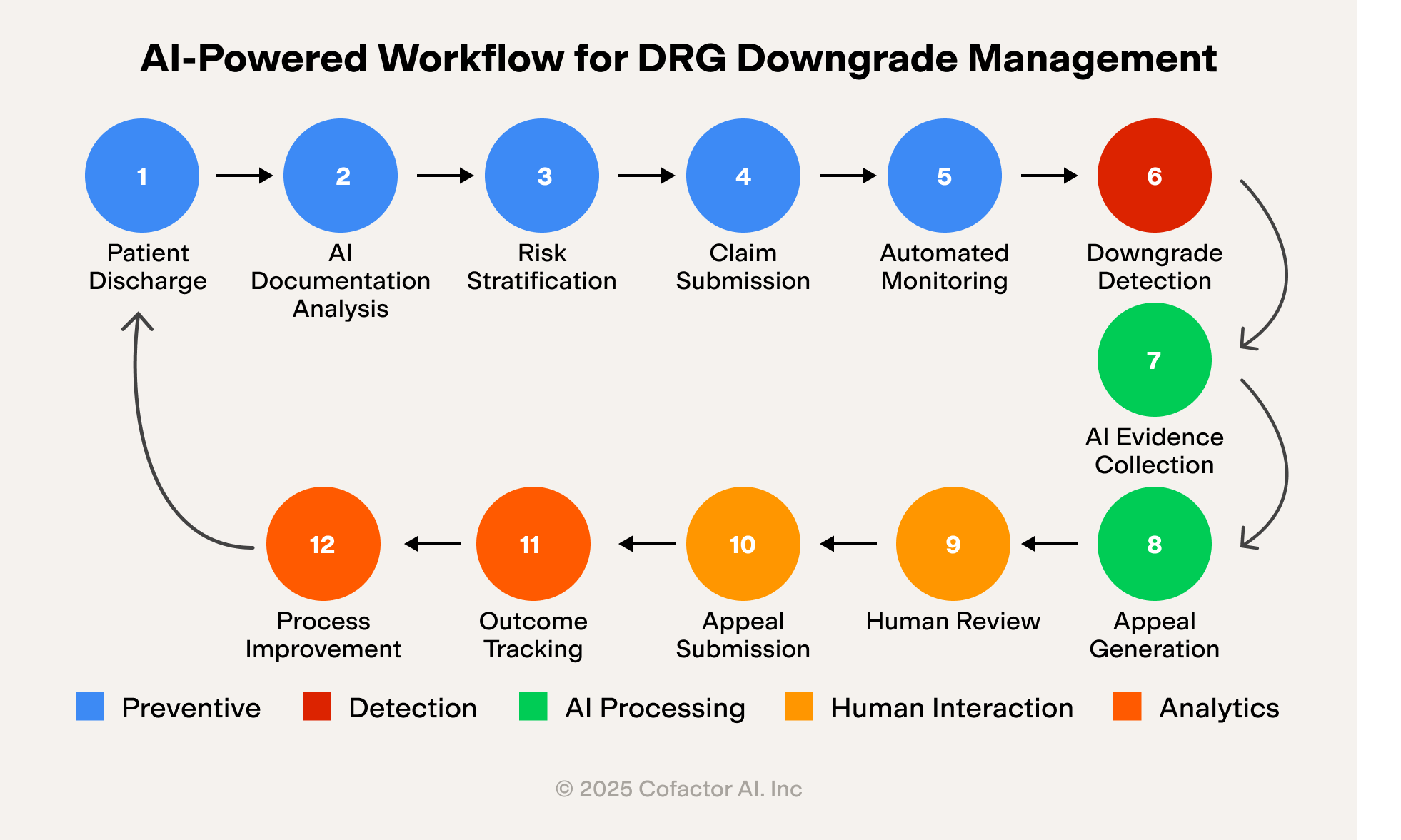
Forward-thinking organizations are moving beyond simply reacting to denials to implementing preventative strategies. By analyzing patterns in successful appeals, they identify root causes of denials and implement process improvements to prevent future occurrences.
4. Increased Collaboration Between Clinical and Revenue Cycle Teams
Effective appeals require seamless collaboration between clinical experts who understand medical documentation and revenue cycle professionals who understand payer requirements. Organizations are breaking down silos between these departments to create integrated appeals teams.
Transform Your Inpatient Appeals Process Today
The financial impact of inpatient claim denials cannot be overstated. With denial rates at historic highs and more than half of denied claims ultimately being paid upon appeal, an effective appeals strategy is essential for financial sustainability.
By implementing the strategies outlined in this guide and leveraging advanced technology solutions, healthcare organizations can reduce administrative burden, increase appeal capacity without adding staff, improve appeal success rates, shorten the revenue cycle, and generate valuable insights to prevent future denials.
The most successful organizations view denial management not as a cost center but as an opportunity to protect revenue integrity and improve financial performance.



.svg)